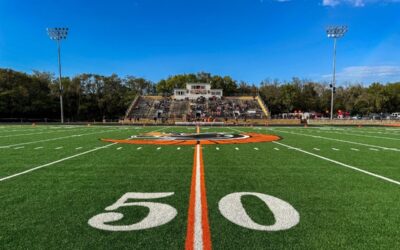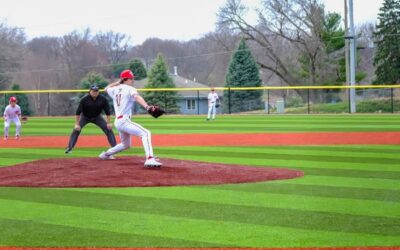
For many school districts, summer is traditionally viewed as a quieter time for athletic facilities, a break between the end of spring sports and the start of fall practices.
In reality, summer can be one of the most heavily used periods of the entire year.
Between organized camps, voluntary workouts, strength and conditioning programs, youth sports, and community activities, athletic facilities rarely experience downtime. Instead, they transition into a high-usage environment that places consistent demand on fields, tracks, courts, and support spaces.
The Shift to Year-Round Athletics
It’s no secret that young athletes’ schedules have shifted toward year-round athletic development.
Student-athletes are no longer training within defined seasons. Instead, many programs now include:
- Summer conditioning sessions
- Team-led workouts
- Position-specific skill camps
- Club and travel team participation
- Speed and agility training programs
This shift means that facilities are being used continuously rather than cyclically, changing how districts must think about maintenance and planning.
Why Summer Use Often Goes Underestimated
From a district perspective, summer usage is often underestimated for a few key reasons:
- Activities are spread across multiple programs rather than centralized teams
- Scheduling is less formalized than during the school year
- Usage may appear lighter on a daily basis, but is sustained over longer periods
- Community and youth programs add additional layers of access
Individually, these uses seem manageable. Collectively, they create a significant operational load.
Facility Impact Is Cumulative, Not Immediate
Unlike in-season play, where wear is more visible and concentrated, summer use creates a gradual and distributed impact.
Common effects include:
- Slow degradation in high-use zones
- Reduced recovery time for natural surfaces
- Increased strain on irrigation and drainage systems
- Subtle surface compaction in training areas
- Accelerated aging of frequently used infrastructure
These issues often become most noticeable when fall sports begin, and facilities are expected to return to peak performance immediately.
The Importance of Recognizing Summer as a Usage Season
The key shift is recognizing that summer does not always mean downtime for your facility; it is a distinct usage season with its own demands.
When districts begin viewing summer through a full-year facility management lens, they are better positioned to plan proactively, reduce unexpected maintenance issues, and support long-term facility performance.
When districts account for this reality, they are better able to:
- Plan maintenance schedules more effectively
- Anticipate budget needs earlier in the year
- Reduce unexpected repairs in the fall
- Extend the overall lifespan of athletic assets
Looking at Facilities Through a Full-Year Lens
Modern athletic facilities are no longer designed for seasonal use alone. They are expected to support athletes, programs, and communities year-round.
Summer is the clearest indicator of how well a facility meets those demands.
At Nemaha Sports Construction, we encourage districts to view summer not as a pause in facility usage, but as a critical part of the overall performance cycle — one that provides valuable insight into long-term planning and investment decisions.
If your district is evaluating athletic facility usage, planning future improvements, or looking for guidance on long-term maintenance and construction considerations, Nemaha Sports Construction is here to help. Our team works with schools and communities to create athletic environments built for year-round performance and long-term durability. Get started by contacting us today.