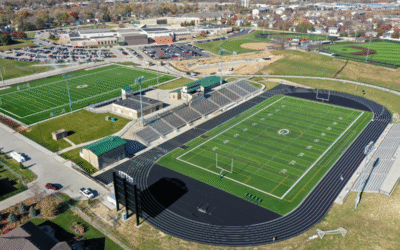
Planning a high school football field involves much more than laying out yard lines and selecting a surface. It is a process that requires careful consideration of how the field will be used, how it will perform over time, and how it fits within the broader goals of the school and community. From the earliest stages of planning, decisions made below the surface and around the field can have a lasting impact on both performance and longevity.
Football Field Usage Evaluation
One of the first considerations in any football field project is how the facility will be used. While football may be the primary sport, many fields are also used for soccer, physical education classes, and community events. This level of usage plays a major role in shaping decisions around materials, durability, and overall design. A field that will see year-round use requires a different approach than one used only for a limited number of games each season.
Site Location and Conditions
Site conditions are another critical factor. The existing location of the field, soil stability, and drainage capabilities all influence how the project will move forward. Before construction begins, the site must be properly evaluated to determine what preparation is needed. In some cases, this may involve regrading the area, improving drainage systems, or addressing underlying soil issues. These early steps are essential to creating a stable foundation that supports consistent performance over time.
Natural Grass vs Synthetic Turf
One of the most important decisions schools face is whether to install natural grass or synthetic turf. Each option has its own advantages depending on how the field will be used and maintained. Natural grass can provide a traditional playing surface, but it requires ongoing maintenance and recovery time between uses. Synthetic turf offers greater durability and can accommodate higher levels of activity, making it a common choice for multi-use facilities. The right decision depends on balancing usage demands with long-term expectations.
Field Drainage
Drainage plays a central role in the success of any football field, particularly in regions with changing weather conditions. A well-designed drainage system helps move water away from the playing surface, protecting both the field and the underlying structure. Without proper drainage, water can lead to uneven surfaces, reduced playability, and long-term deterioration. Designing effective water management systems ensures the field remains usable and reliable throughout the season.
Proper Base Construction
The structural base beneath the field is equally important. This layer provides stability and supports the surface system above it. Whether the field is natural grass or synthetic turf, the base must be constructed to handle repeated use and environmental stress. A properly built base helps prevent settling, improves drainage, and enhances the field’s overall performance.
Facility Amenities
Beyond the playing surface, there are several additional elements that factor into the planning process. Lighting, seating, track integration, fencing, and accessibility all play a role in how the facility functions. These components not only impact the user experience but also influence how the field serves the broader school and community.
Project Timing
Timing is another important consideration. Many schools aim to complete projects around athletic schedules, which can create tight construction windows. Weather conditions, material availability, and coordination with other school activities all factor into how a project is scheduled. Starting the planning process early allows for greater flexibility and helps ensure the project stays on track.
Maintenance and Expectations
Long-term maintenance and lifecycle expectations should also be part of the conversation from the beginning. Every field requires ongoing care, whether that involves maintaining natural grass or managing the upkeep of synthetic systems. Understanding what is required over time helps schools choose a solution that aligns with their resources and goals.
Early Planning Leads to a Successful Outcome
Ultimately, planning a high school football field is about making informed decisions that support both current needs and future use. Each project is unique, and taking the time to evaluate site conditions, usage demands, and long-term expectations leads to better outcomes.
If your school is considering a new football field or evaluating an existing facility, our team can help guide the process. We work alongside schools to assess site conditions, explore options, and develop a plan that aligns with your goals. Reaching out early in the process can help ensure your project moves forward with clarity and confidence.