Planning Comes Before Everything Else
If you’re considering a new athletic facility in 2026, you’re not alone. Across the Midwest, schools and communities are tackling aging fields, increased usage demands, and rising expectations.
However, most projects succeed, or stumble, long before construction begins.
At Nemaha, we’ve seen how good early planning can save months, prevent headaches, and protect budgets. This guide focuses on the essentials you need to know before designs are drawn up or the bidding process begins.
1. Define Your Athletic Facility Vision and Early Project Goals
Most challenges that appear later in a project come from unclear expectations in the early phase. Before drawings, budgeting, or procurement conversations begin, focus on alignment around three core questions:
What problem are we trying to solve?
- Safety? Overuse? Poor drainage? Growing programs?
Who will use this space?
- Athletes, marching band, PE, rec leagues, community groups.
What does success look like?
- More play hours? Lower maintenance? Hosting tournaments?
A shared vision upfront helps avoid costly redesigns and keeps everyone moving toward the same goals.
2. Evaluate Site Conditions for Athletic Facility Construction
Your site has a significant impact on your budget, design options, and long-term performance. A thorough site assessment early in the process helps set realistic expectations.
A pre-construction assessment should include:
- Soil types and stability
- Drainage patterns
- Existing grades and elevations
- Utility access
- Space constraints
Understanding these conditions helps teams develop accurate budget expectations and avoid surprises during construction. Honest conversations early protect the entire project.
3. Build a Realistic 2026 Budget with Today’s Pricing
Costs for athletic facility construction have shifted over the last several years, and it’s important to build a budget that reflects what things truly cost right now, not what they cost in 2020 or even 2022.
A strong early budget should consider the major components of your project, including things like earthwork, drainage needs, base construction, your chosen playing surface, lighting, and any equipment or site amenities. It should also acknowledge the planning and professional services required to get the project off the ground, as well as any potential unknowns that might arise along the way.
Just as important is understanding the long-term side of the investment—things like ongoing maintenance, grooming, and eventual replacement, whether you’re looking at natural grass or synthetic turf.
Being thoughtful and realistic at this stage helps ensure your board, community, or governing group has a clear picture of what it takes to build and operate a facility that will withstand many years of practice and competition.
4. Select the Right Athletic Facility Construction Method (Design-Build vs. Hard Bid)
Your delivery method shapes communication, coordination, and how efficiently the project progresses from planning to completion.
Design-Build
This option brings the design team and contractor together from the start, creating a more unified process that can streamline communication and help reduce schedule surprises. Many owners appreciate the teamwork and early collaboration that comes with the design-build process.
Hard Bid
Hard bid is a widely used method—especially for schools and municipalities with formal procurement rules. Plans are completed first, and contractors bid competitively. This helps owners compare pricing directly and meet required public processes.
Both methods can lead to a successful outcome. What matters most is choosing the approach that fits your budget expectations, timeline, and compliance needs. Nemaha works comfortably in both models and is always glad to help you evaluate which option makes the most sense for your project.
5. Know Your Funding Options
Successful athletic facility projects often blend multiple funding sources. Understanding these early helps build community transparency and long-term support.
- Bonds
- Grants
- Capital improvement budgets
- Sponsorships or naming rights
- Private fundraising
Early planning ensures these funding sources align with your project goals, budget, and communication strategy.
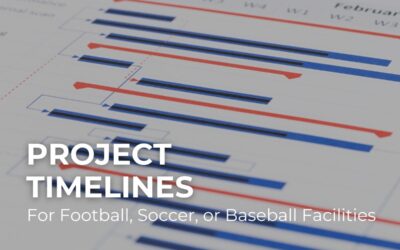
6. Understand the Sports Facility Construction Timeline (From Planning Through Completion)
While no two athletic facility timelines are identical, most projects follow a similar sequence. Understanding the order of operations, rather than specific dates, helps teams anticipate needs and coordinate effectively. Typical project phases include:
- Planning & early discussions — establishing goals, evaluating the site, and building a clear direction for the project.
- Design development — shaping ideas into plans and confirming details with stakeholders.
- Permitting & preparation — coordinating required approvals and preparing the project for construction.
- Construction — completing earthwork, drainage, base construction, playing surfaces, and supporting features.
- Final reviews & turnover — ensuring the facility is ready for safe use and long-term performance.
A clear understanding of this sequence supports smart scheduling decisions and keeps teams engaged throughout the process.
7. Consider Multi-Use Athletic Facilities to Maximize Space & Value
Many districts want to serve multiple sports, classes, and community groups with one space. Multi-use facilities help:
- Reduce scheduling conflicts
- Extend play hours
- Increase return on investment
- Support more programs without additional acreage
Turf fields are especially valuable in high-usage environments or limited space. Nemaha Sports Construction is a turf-neutral company and has worked with all major turf manufacturers on projects at every level. If you’re exploring turf as a field option, our team is happy to walk you through recent product performance and variations to help guide your decision.
8. Meet 2026 Athletic Safety Standards & Compliance Requirements
2026 brings updated expectations around:
- GMAX/HIC impact testing
- Drainage performance
- ADA requirements
- Proper lighting levels
- Netting and fencing safety
- Environmental and erosion controls
Safety isn’t optional, and your community expects modern standards.
Your planning should reflect that.
9. Engage Key Stakeholders Early in Facility Planning
Strong facilities come from strong communication. Include those who understand daily facility use and community expectations:
- Athletic directors
- Coaches
- Maintenance staff
- Board members
- PE teachers
- Community groups
- Facilities managers
These conversations shape better, more functional designs.
10. Select the Right Athletic Facility Construction Partner
A construction partner should serve as a guide throughout your planning process — not just a builder.
- Communicate clearly and honestly
- Provide early planning support
- Understand Midwest conditions
- Respect community budgets
- Offer straightforward guidance
- Prioritize long-term success, not short-term wins
You shouldn’t feel pressured. You should feel supported.
Early Clarity Leads to Stronger Projects
Planning an athletic facility in 2026 doesn’t need to be complicated.
When you understand your site, set a shared vision, create a realistic budget, choose the right delivery method, and engage stakeholders early—the whole project runs smoother.
If you’re in the early research phase, Nemaha is glad to be a sounding board.
Sometimes the best first step is a conversation. Contact our team today to get started.