When schools begin considering a new track, one of the first questions that comes up is simple: what will it cost? The reality is that there isn’t a one-size-fits-all answer. High school track projects can vary widely depending on several factors, and even facilities that look similar on the surface can require very different levels of work. Understanding what drives those differences is key to planning effectively and avoiding surprises along the way.
One of the primary reasons track projects vary so much is that no two sites are exactly alike. Existing conditions, whether the project involves a renovation or full reconstruction, material selections, and even scheduling constraints, all play a role in shaping the overall scope. A school with a well-maintained base and proper drainage will approach a project very differently than one dealing with underlying structural issues. Taking the time to evaluate these variables early can make a significant difference in how smoothly a project progresses.
Running Track Site Preparation
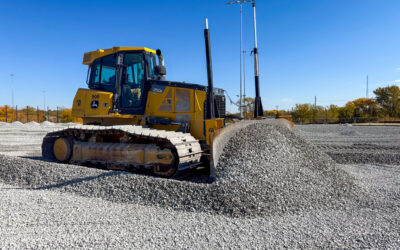
Site preparation is often one of the most important and underestimated aspects of a track project. Before any new surface can be installed, the existing area must be properly prepared, which may include removing an old track, regrading the site, addressing drainage challenges, or stabilizing soil conditions. If the subgrade is unstable or water is not moving correctly through the site, additional work becomes necessary to create a reliable foundation. These behind-the-scenes elements are critical to the facility’s long-term success.
Track Base Construction: Ensuring Stability and Durability
The structural base beneath the track is another key factor. This layer supports everything above it and plays a major role in durability and lifecycle performance. Whether the base is constructed using asphalt or concrete, the goal is the same: to provide a stable, consistent surface that can withstand use and environmental conditions. A well-built base helps reduce cracking, limits future repairs, and ensures the track performs as intended for years to come.
Track Surfacing
On top of the base, the track surface itself introduces another set of considerations. There are several types of surface systems available, each offering different levels of performance, durability, and maintenance requirements. Some are designed for high-level competition, while others are better suited for general use. The choice of surface affects not only how the track performs day to day, but also how it holds up over time and what kind of upkeep it will require.
Size, Layout, and Additional Features
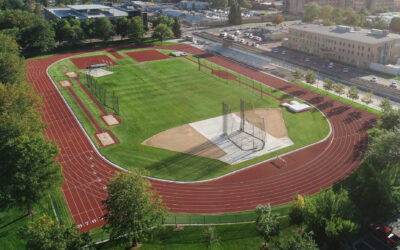
Design decisions also play a meaningful role in shaping a project. Tracks can vary in size, number of lanes, and included features. Adding field event areas such as long jump, pole vault, or high jump increases the overall scope, as does incorporating elements like synthetic turf infields, walkways, or accessibility improvements. As these components are added, the complexity of the project grows, which in turn influences planning and execution.
Environmental Factors and Drainage
Environmental conditions are another important consideration, especially in regions like the Midwest. Proper drainage is essential to protecting the track surface and maintaining performance over time. Without it, water can lead to premature wear or damage. Seasonal weather patterns, including freeze-thaw cycles and heavy rainfall, also impact how a facility should be designed and built. Accounting for these factors helps ensure the track remains consistent and reliable throughout the year.
Project Schedule
Timing can also affect how a project comes together. Many schools have specific deadlines tied to athletic seasons, which can create pressure to complete construction within a certain window. Weather, scheduling, and material availability all play a role in determining how a project is phased and executed. Planning ahead allows for greater flexibility and helps avoid unnecessary complications.
New Construction or Resurfacing
For schools with existing facilities, the decision often comes down to renovation versus full reconstruction. In some cases, a track can be resurfaced if the underlying base is still in good condition. In others, deeper issues require a more comprehensive approach. A thorough evaluation early in the process is essential to determining the right path forward.
Long-Term Performance
It’s also important to look beyond the initial construction and consider long-term performance. Different systems come with varying lifespans and maintenance needs, and those factors should be part of the decision-making process. A solution that performs well over time and requires less frequent repair can offer greater value in the long run.
How to Get Started
Throughout the planning process, there are a few common challenges that schools should be aware of. Underestimating site preparation, overlooking drainage, focusing only on short-term decisions, or failing to plan for future maintenance can all lead to complications. Working through these considerations early helps create a more predictable and successful project.
For schools beginning to explore a new track, the most effective approach is to start with a clear understanding of existing conditions and project goals. Evaluating the site, defining how the facility will be used, and engaging the right team early on all contribute to better outcomes. With proper planning, the process becomes more manageable, and the results are more aligned with expectations.
Every track project is different, but the factors that influence them are consistent. By understanding what goes into the process, schools can make more informed decisions and move forward with confidence. For those considering a new track or evaluating an existing facility, Nemaha is here to help guide you in that process. Contact us today to get started.